Restoring function, confidence, and identity.
Experienced Penile Loss or Congenital Concerns? You Are Not Alone
Penile loss and congenital conditions like micropenis, differences in sexual differentiation and exstrophy/epispadias can be profoundly life-altering. These challenges not only impact physical function but can also affect emotional well-being, confidence, and quality of life.
Whether due to surgery, trauma, or congenital development, the impact on identity, intimacy, and daily living can feel overwhelming. However, modern surgical advancements offer life-changing solutions to restore both form and function. You are not alone in this journey, and help is available.
Understanding Penile Loss And Advanced Reconstruction Needs
Penile reconstruction or phalloplasty addresses the loss or underdevelopment of the penis due to medical, surgical, or congenital reasons. Dr. Lee and his team provide compassionate and world-leading care to help you achieve the best possible outcomes.
Conditions We Treat

Reconstruction Post-Penectomy
Restoring penile structure and function following surgical removal due to cancer, trauma, or other medical conditions.
Congenital Micropenis
A condition where the penis is significantly smaller than average, affecting function, confidence, and emotional health.
Exstrophy & Epispadias
A rare congenital condition where the urethra opens on the upper side of the penis that sometimes involves the pelvis and bladder, impacting function, appearance, and urinary control.
Advanced Surgical Techniques For Penile Reconstruction
Dr. Lee specialises in cutting-edge surgical options for penile reconstruction, tailored to each individual’s needs, ensuring both functional and aesthetic outcomes.
Phalloplasty:
Surgical creation or reconstruction of the penis to restore appearance and function. This can include both aesthetic refinement and options for urinary and sexual function.
Radial Artery Forearm Free Flap (RAFFF)
A commonly used technique where tissue from the forearm is transplanted to construct a new penis with optimal sensation and function.
Anterolateral Thigh Flap (ALT):
Complex technique where tissue from the thigh is used to reconstruct the penis, offering an alternative for patients where forearm tissue may not be suitable or desired.
Dr. Lee’s expertise ensures the highest level of precision and care, addressing both physical functionality and personal well-being whilst minimising the morbidity. Treatment options will be tailored based on your specific goals, overall health, and lifestyle preferences.
Your Path to a Healthier, More Confident You

STEP 1
Schedule a Consultation
Book an appointment in a confidential and supportive environment.
STEP 2
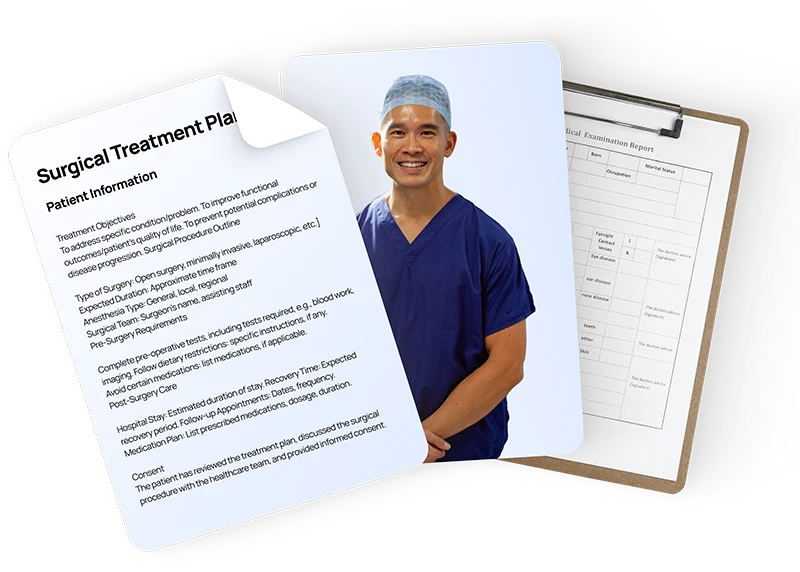
Personalised Treatment Plan
Our team creates personalised plans to meet your unique health goals.
STEP 3
Regain Your
Confidence
Improve your health and well-being with expert guidance.
FAQs
How is a neourethra created in phalloplasty?
The neourethra is the surgically constructed urinary channel (water pipe) that allows trans men and gender diverse individuals to urinate while standing after phalloplasty, a complex and highly specialised gender-affirming procedure.
The process of neourethra creation typically involves two main stages:
Phallus urethral construction (Stage 1)
- During phalloplasty, a tube-within-a-tube flap technique is used
- A section of the donor tissue (e.g. from the forearm or thigh) is rolled into a tube to create the neourethra
- This neourethral tube is carefully joined to the perineal urethra to create a continuous urinary channel through the neophallus
- Alternatively, a separate free flap can be used to form a urethra in a separate operation when a tube-within-a-tube design is not possible
Urethral extension through the phallus (Stage 2)
- The native urethra is first extended through the perineum (between the anus and the scrotum or neo-scrotum)
- This is often done using local tissues such as labia minora, vaginal mucosa, or buccal grafts (from the inner cheek)
- The goal is to bring the urethra forward to the base of where the phallus will be constructed
Key considerations:
- Healing must be carefully monitored to avoid complications such as fistulas (leaks) or strictures (narrowing)
- Staged approaches are often used to reduce complication rates and improve outcomes
- Urinary catheterisation is required post-operatively for proper healing
- Urethral calibration and follow-up imaging may be needed to assess flow and patency
At my clinic, I work closely with multidisciplinary teams to provide safe, staged, and affirming care, including urethral reconstruction, management of complications, and long-term support after phalloplasty
How long is recovery after penile reconstruction surgery?
Recovery after penile reconstruction surgery depends on the type of procedure, your general health, and whether the surgery is part of gender-affirming care, treatment for penile cancer, or correction of conditions like Peyronie’s disease or buried penis.
General recovery timeline (a personalised plan will be provided after your operation):
Week 1–2: Initial healing
- Mild to moderate swelling, bruising, and discomfort are expected
- Pain is managed with medication
- Dressings are kept clean and dry; limited movement is advised
- Most patients can resume light activity after 7–10 days
Week 3–6: Wound stabilisation
- Sutures (if non-dissolvable) may be removed
- Swelling subsides
- Return to work is possible depending on the physical nature of your job
- You’ll receive guidance on resuming normal hygiene and showering
Week 6–12: Functional recovery
- Sexual activity may be resumed if healing is confirmed
- Final aesthetic and functional outcomes become more apparent
- If a penile implant is planned, this is typically placed in a staged approach after full recovery
Recovery can vary based on:
- Whether tissue grafts or flaps were used
- Presence of urethral reconstruction
- History of previous surgeries or infections
- Whether the reconstruction followed cancer treatment or trauma
At my clinic, we provide a personalised recovery plan, regular follow-up, and access to supportive care. This ensures that physical healing is matched by psychological support and clear guidance.
What options exist for penile reconstruction and when are they needed?
Penile reconstruction refers to a group of specialised surgical procedures designed to restore the form, function, or appearance of the penis. It may be needed for a variety of medical, functional, or gender-affirming reasons.
Common reasons for penile reconstruction:
- Congenital abnormalities (e.g. hypospadias, buried penis)
- Penile cancer requiring partial or total removal
- Injury or trauma, including burns, infection, or complications from circumcision
- Gender-affirming surgery (phalloplasty)
Surgical options include:
- Skin grafts and flaps: used to correct scarring or rebuild lost tissue
- Penile straightening procedures: for Peyronie’s disease, with or without grafting
- Urethral reconstruction: if urination is impaired due to stricture or damage
- Phalloplasty: construction of a neophallus in transmasculine patients
- Penile prosthesis implantation: to restore erectile function, either alone or alongside other reconstructive work
- Buried penis correction: often combining skin release, fat removal, and shaft exposure
The choice of technique depends on:
- The underlying condition
- The patient’s goals and anatomy
- The presence of scar tissue or previous surgeries
- Overall health and suitability for anaesthesia
At my clinic, I specialise in complex penile reconstruction – both standalone and as part of staged procedures – with a focus on restoring function, sensation, and confidence. Every case is handled with discretion, clarity, and long-term follow-up.
Rebuild Your Confidence and Identity – Take the Next Step Today
Penile loss or congenital concerns don’t have to define your life. With state-of-the-art surgical techniques and holistic care, Dr. Lee can help restore your function, confidence, and overall quality of life.